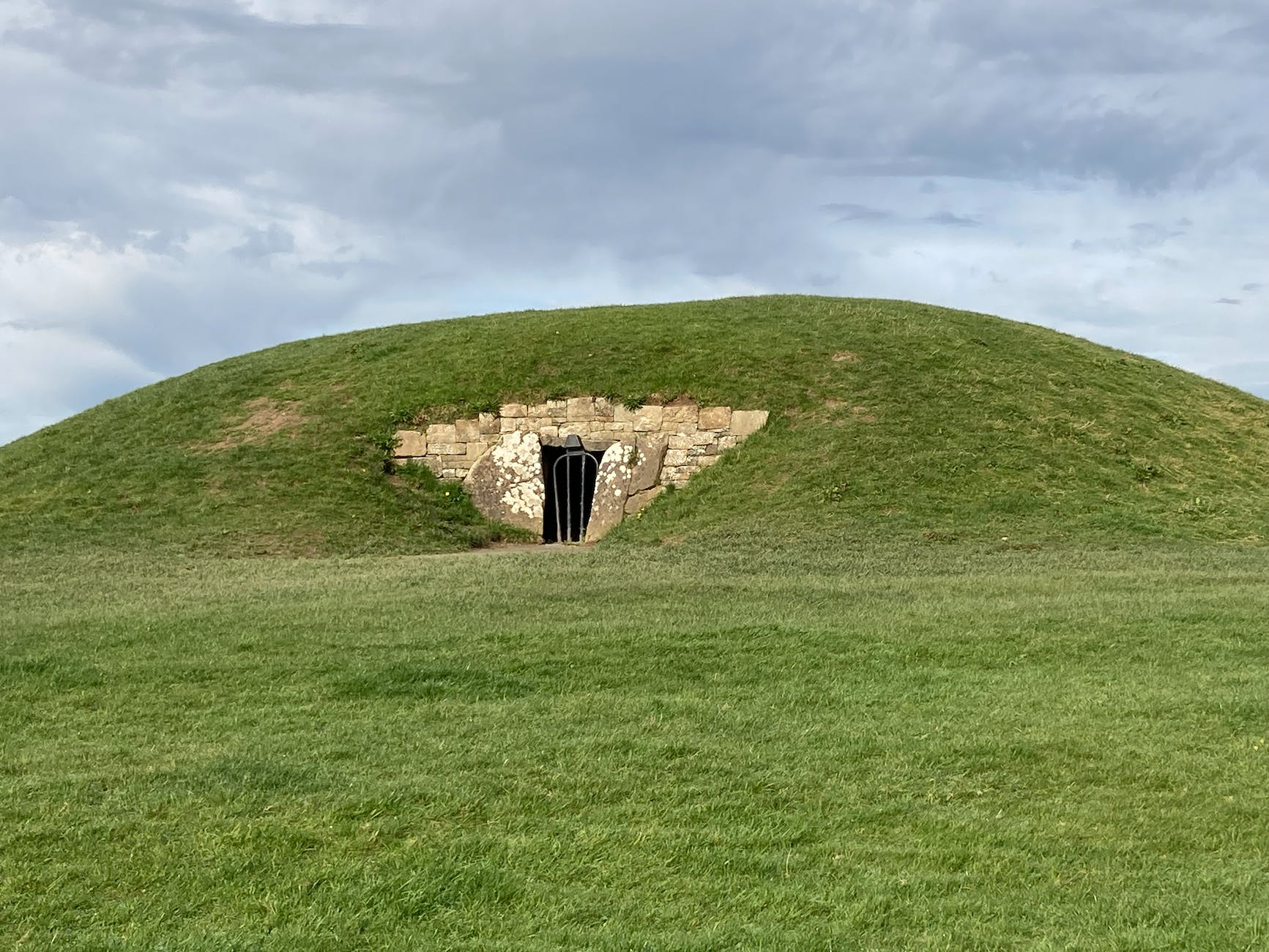
In Celtic mythology, the first, most ancient race to inhibit Ireland were the Tuatha Dé Danann, a race of divine beings that bore incredible supernatural powers, and bestowed upon Ireland a wealth of skills and knowledge. Some narratives suggest that they were banished from heaven due to their unparalleled knowledge and descended on Ireland in a cloud of mist. When defeated by the Milesians, forebearers of the modern Irish, they disappeared into the hills.
Appearance and Main Gods
The Tuatha Dé Danann emerge as beings of extraordinary wealth, who were immune to sickness and ageing and possessed powers such as weather control and shape shifting. They were generally described as having a pale complexion, and light hair paired with green or blue eyes. The inaugural ruler of this race was known as Nuada or Nuadhat. Alongside Nuada, many gods were worshipped.
LUGH OF THE LONG ARMS
Associated with skills, crafts and warrior agility, Lugh was a master of many arts and a symbol of light. Revered as a god of kingship, justice and rulership, Lugh wielded a formidable spear, earning him the epithet “Long Arms” and solidifying his legendary status.
DAGDA
Also known as the ‘good god’ or the ‘father god’, Dagda was the chief of the Tuatha De Danann and a prominent figure in Irish mythology. He was a god of wisdom, strength and abundance. His divine arsenal included a club of life and death, which was able to both slay and resurrect his victims. Among his mystical possessions were a cauldron filled with a constant flow of food, and a harp which controlled seasons and the unruly minds of men.
BRIGID
Brigid, a cherished goddess in Celtic lore, embodied the essence of spring, fertility and motherhood. With her multifaceted attributes, Brigid held the esteemed title of a triple goddess, embodying three aspects; Poetry and passion, healing and fertility, and smithscraft. She was adored by writers and poets, who often turned to her for inspiration. She was a protector of animals as well as mothers, her benevolence touching various aspects of life. The festival of Imbolc, observed on February 1st, celebrated Brigid and marked the early signs of spring, ushering in a Pagan tradition that still resonates with people today.
MORRIGAN
Morrigan was a goddess of intricate dimensions and held sway over the domains of war, death and fate in Celtic mythology. As a shapeshifter, she frequently assumed the form of a raven. Appearing over battlefields her presence instilled great terror, often bringing with her imminent death. Morrigan’s complexity extended to her status as a triple goddess, embodying three distinct goddesses or attributes. The Morrigan displayed similar traits to that of a Banshee, and her ominous shriek signalled doom or impending misfortune.
AENGUS
Aengus was the Irish deity of poetry, love and dreams, and son of the Dagda. He was often accompanied with birds around his head that were said to be his kisses, enhancing his romantic nature. Aengus inherited his father’s ability to shapeshift, as well as the power to wake the dead. A god of beauty, he was depicted as a youthful and handsome figure. Aengus supposedly built Brú na Bóinne, where he frequently indulged in his own dreams.
The four cities and their treasures
The Tuatha Dé Danann brought with them to Ireland four treasures from scholars in each of four cities; Morias from Falias, Senias from Murias, Urias from Gorias and Arias from Finias.
The first treasure was brought from the city of Falias. This was a bronze spear that was impossible to overcome in battle, and made the warrior who wielded it undefeatable. It belonged to Lugh, who used this spear to kill his grandfather Balor.
The second treasure was the sword of light from Finias. It belonged to Nuada, the first King of the Tuatha De Dannan and made its user impossible to defeat, unless by supernatural means.
The Stone of Destiny, also called Lia Fail, was the third treasure present at the Hill of Tara in Ireland today. It was a magical stone that sang whenever the High King of Ireland put his feet on it, and was believed to either revive or grant him a long reign. The Stone of Destiny was used in coronation ceremonies and came from the city of Gorias.
The final treasure was the Cauldron of the Dagda, from Murias, belonging to Dagda, the father god. A symbol of abundance, it had a constant stream of food for the gods and never ran out.
Origins of the Tuatha Dé Danann
Some theories claim that the ancient tribe came from the lost city Atlantis. Others say that they were from Denmark. Another account suggests that they came from Greece after failing to usurp the rulers.
The Sidhe
The Tuatha Dé Dannan have close links to not only Irish Paganism but the Faery folk and little people of Ireland. Once they were defeated by the Milesians, they were forced to depart for the Otherworld, after which they became known as the Sidhe faery folk of Ireland.
Another story says that they went to Tir na nOG, a supernatural realm of everlasting youth, love and beauty.
REFERENCES
The Mythological Cycle: The Tuatha Dé Danann and the Origins of Ireland – IrishHistory.com irishhistory.com


 Ethereal Chronicles
Leave a reply to M Cancel reply