Daedalus, cherished in Athens for his intellect and creativity, was a masterful craftsman renowned for constructing magnificent buildings and lifelike sculptures. His nephew, Talus, displayed similar skills and gained popularity throughout Athens and Greece. Consumed with jealousy, Daedalus pushed Talus off a wall one night in a fit of envy, killing him. Consequently, Daedalus was exiled from Athens and sought refuge in Crete with his only son, Icarus. King Minos, having heard of Daedalus’ greatness and creative accomplishments, welcomed his new guest warmly.

King Minos’ wife, Pasiphae, had been cursed by Poseidon to fall in love with a bull. Desperate for a solution, she asked Daedalus to help her seduce and have sex with the bull. Being selfish and ignorant in nature, Daedelus agreed and crafted a bull for Pasiphae to conceal herself within. The result of Pasiphae’s unnatural union was the Minotaur, a hideous monster with the head of a bull. King Minos was outraged at what Daedalus had done, and demanded that he create something that ensured the Minotaur would never see the light of day again. Daedalus once more did as he was asked, and constructed an intricate labyrinth to imprison the Minotaur. This labyrinth would later become the setting for Theseus’ battle with the Minotaur.
Despite Daedalus’ contribution, Minos, still harbouring anger over Daedalus’ involvement with Pasiphae, imprisoned both Daedalus and Icarus in a tower on Crete. The King vowed that they would be confined within the tower for the remainder of their lives.
But Daedalus had no intention of remaining in Crete. Observing a flock of birds from the window, he devised a plan, a terribly brilliant plan, that would allow him and his son safe passage out of Crete so they could start their lives somewhere anew. With determination guiding his skilled hands, Daedalus crafted two extraordinary sets of wings. Fashioned from feathers bound with candle wax, these wings were the key to their freedom.
As Daedalus gave his son the incredible invention, he gave crucial warnings to his son. The first was to not fly too close to the sea, for the dampness could burden the delicate wings and make them too heavy to carry. The second was a caution against the sun, as the wax might yield to the relentless heat and bring peril in the unforgiving depths below. Icarus agreed to heed his father’s warnings, and together they jumped from the ledge, soaring through the air.
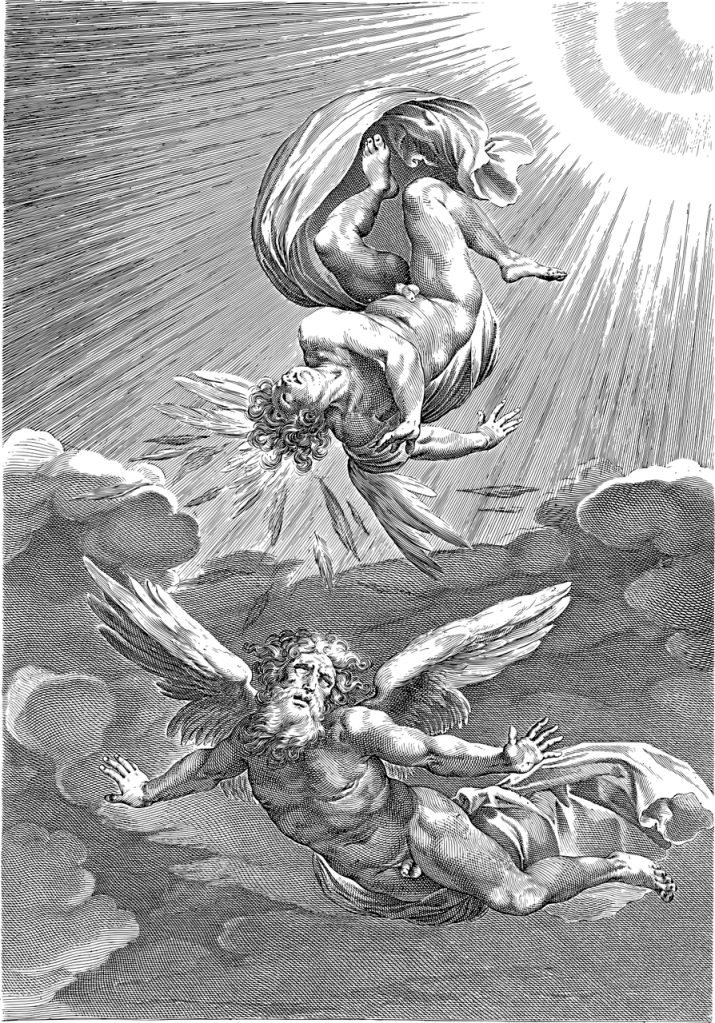
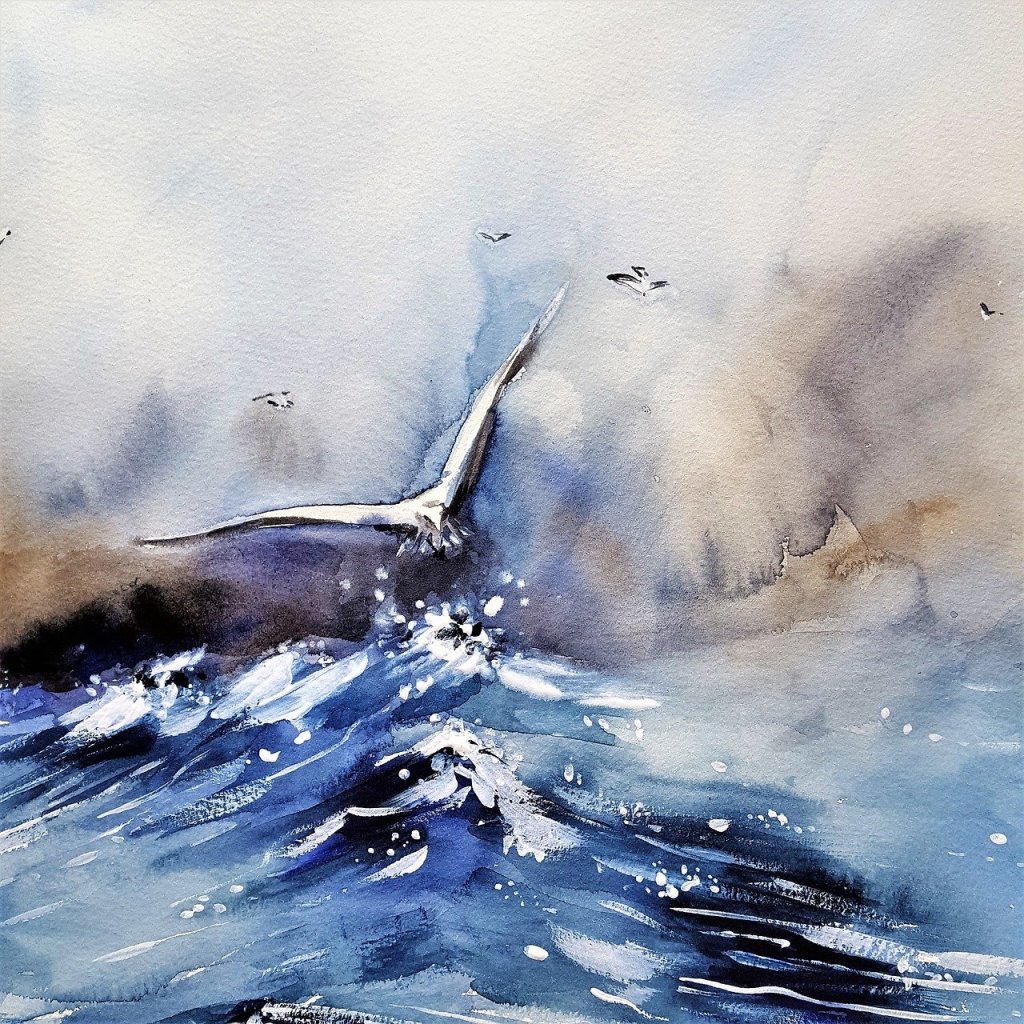
Daedalus maintained a focused flight, navigating a precise path between the sea and the sun. Icarus, however, was engulfed in the ecstasy of his newfound freedom, and his father’s warnings were forgotten. Daedalus, unable to stop his son, watched Icarus fly higher and higher, approaching the scorching touch of the sun. By the time Icarus realised what he had done, it was too late. Melted wax dripped from his wings, down his body and to the murky depths of the sea. Icarus’ wings failed him in an instant, and he plummeted to the sea with a cry, his body swallowed beneath the crashing waves, along with the remnants of Daedalus’ invention.
Daedalus, shattered by the weight of a grief that he himself had orchestrated, journeyed from Greece to Sicily, where he sought to remake his life. Yet, the haunting memories of Icarus’ tragic end lingered, a scar on Daedalus’ heart, a constant reminder of the profound agony that his own actions had unleashed upon him.
 Ethereal Chronicles
Leave a comment